R
Robin Nicklas
Master of Project16Articles published
About Robin Nicklas
Robin Nicklas is a project management consultant and educator. Since 2001, he has trained project managers in the aerospace, financial, telecommunications, government, and software sectors. Prior to teaching, he spent twenty years in information systems and technology, twelve of which he managed software development at large information service companies. Since 2003, he has taught graduate and undergraduate courses in project management at the University of Washington in Seattle, as well as MS Project courses at Bellevue College Continuing Education since 2011. Robin is a former president of the PMI Puget Sound Chapter in Seattle and a certified PMP. He can be contacted through his website, robinnicklas.com.
Articles by Robin Nicklas
16 posts Latest
Level Remaining Schedule During Tracking
This is the last of four articles I’ve written recently on the topic of on tracking a project. I have outlined a four-step tracking cycle: set the status date, enter […]
•1 min
Read
Rescheduling Incomplete Work As Part of a Project’s 4-Step Tracking Cycle
In the first two articles of this series, a four-step tracking cycle was defined. It includes setting the status date, entering actuals, rescheduling incomplete work, and resource leveling the remaining […]
•1 min
Read
Entering Actuals During the Tracking Cycle
In my recent Tracking Starts with a Status Date article, a four-step tracking cycle was defined. It includes setting the status date, entering actuals, rescheduling incomplete work, and resource leveling […]
•1 min
Read
Tracking Starts with a Status Date
There are four steps involved in tracking a project: setting the status date, entering actuals and schedule revisions, rescheduling incomplete work, and resource leveling the remaining schedule. These steps are […]
•1 min
Read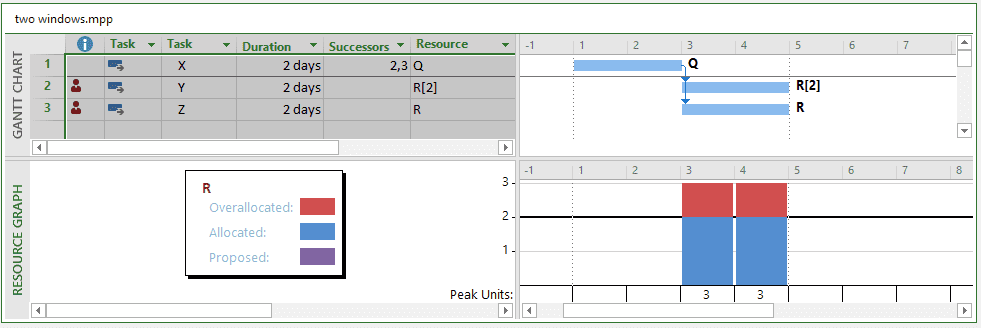
Multiple Views into the Same Project File
Different views into the same MS Project file enables us to see a schedule from multiple perspectives. Using the split view feature is one way to do this. The Project […]
•1 min
Read
Visualizing Project Flow Using Cumulative Flow Diagrams
In my recent article, Sequencing Product Backlog, I used the shortest weighted processing time (SWPT) strategy to sequence a product backlog in order to minimize flow time and work […]
•1 min
Read
How To Reschedule Incomplete Work
A colleague posed a problem recently. He recorded earned value after tracking work done in the first status period of his project. When recording work done in the second status […]
•1 min
Read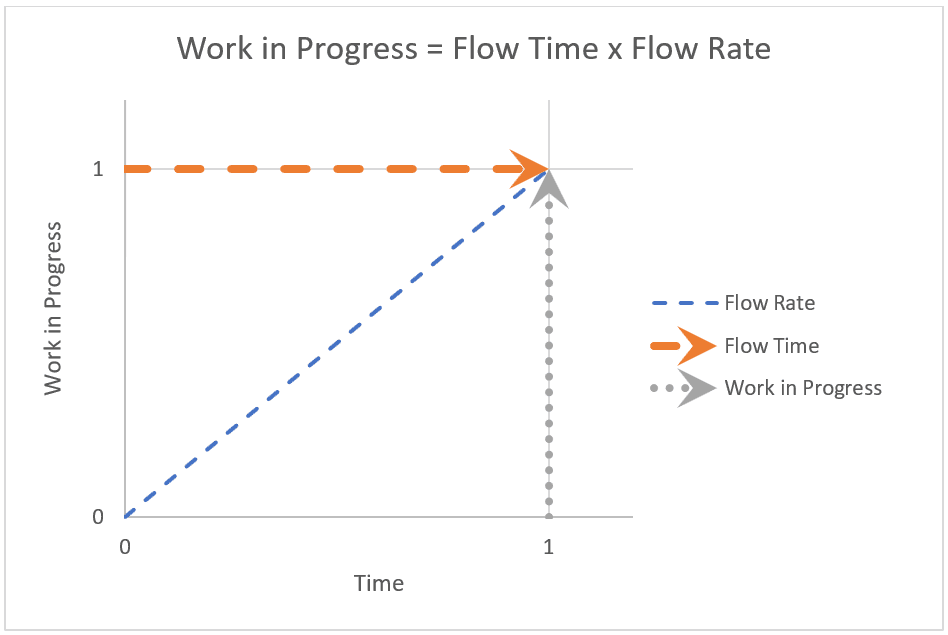
Sequencing Product Backlog
When modeling a project as a flow process, one objective is to deliver the maximum amount of value in the shortest amount of time. Most project managers likely start with […]
•1 min
Read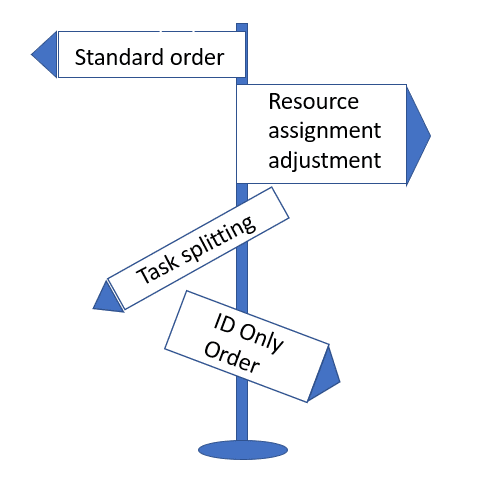
MS Project Leveling Performance
In my recent “Is MS Project’s Leveling Optimal?” article, I covered the fact that MS Project may not produce optimally leveled schedules in terms of schedule length. The analysis showed […]
•1 min
Read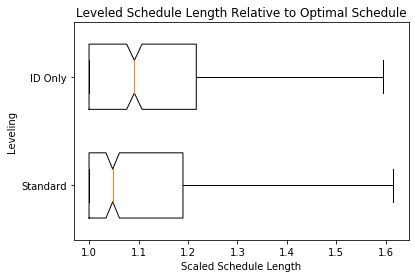
Is MS Project’s Leveling Optimal?
The objective of resource leveling is to minimize schedule length while honoring precedence relationships and resource constraints. If we know what a schedule’s optimal leveled length is, we can compare […]
•1 min
Read
How Optimal is Your Leveling?
For the project manager, the objective of resource leveling is to minimize the length of the resource-feasible schedule. For the computer scientist, the objective is to write code that will […]
•1 min
Read
Removing Start-to-Finish Relationships from Mid-point Scheduling
Mid-point or block scheduling involves a sequence of tasks, the scheduling of which is dependent upon the start of a target task embedded within the sequence. In practice, as the […]
•1 min
Read